
Frozen Shoulder Treatment in Pinner – Acupuncture for Shoulder Pain
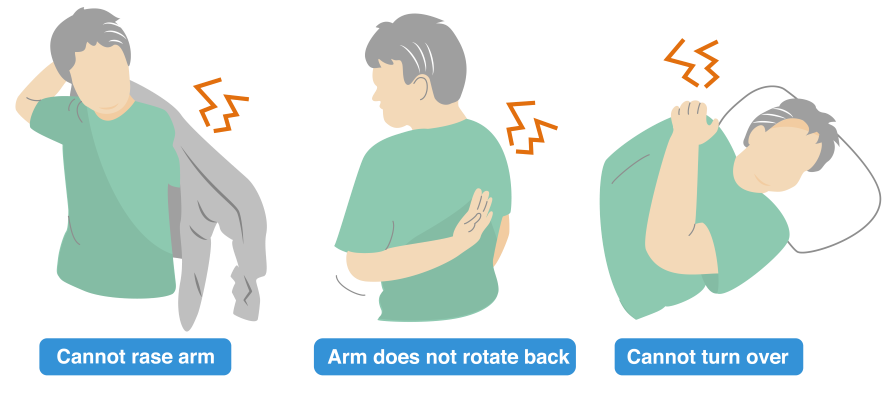
Frozen shoulder, medically known as adhesive capsulitis, is a condition that causes progressive pain and stiffness in the shoulder joint. It can feel like your shoulder has simply “locked up,” making everyday movement surprisingly difficult.
People with frozen shoulder often experience shoulder pain, stiffness, and reduced range of motion that can make everyday activities difficult. Many people seek acupuncture for frozen shoulder when pain begins to interfere with sleep, dressing, or reaching overhead.
Understanding Frozen Shoulder
Frozen shoulder isn’t simply a stiff joint, it’s a condition marked by pain, stiffness, and a significant loss of movement in the shoulder.
It typically develops gradually and progresses through three recognised stages. The duration of each stage varies from person to person, which helps explain why symptoms can persist for many months, and in some cases, even years.
- Freezing Stage (painful phase)
This early stage is often the most painful and ranges from 6 weeks to 9 months. Shoulder movement becomes increasingly uncomfortable and pain may worsen at night or when reaching overhead. As pain increases, people naturally begin to move the shoulder less resulting in limited range of movement. - Frozen Stage (the stiff phase)
During this phase the pain may reduce slightly, but the shoulder joint becomes significantly stiff. Everyday activities such as dressing, reaching behind the back, or lifting the arm can become challenging. Shoulder muscles can weaken from inactivity. - Thawing Stage (the recovery phase)
The thawing stage can last 6 months to 2 years. Gradually the shoulder begins to regain movement. Stiffness slowly improves as the joint capsule loosens and normal mobility returns.
Frozen shoulder often resolves over time, but supportive treatment may help reduce pain and improve comfort while the shoulder progresses through these stages. Without intervention, this process can take one to three years.
Acupuncture may help reduce pain and support mobility while the shoulder progresses through the natural “thawing” stage of recovery.
What Causes Frozen Shoulder?
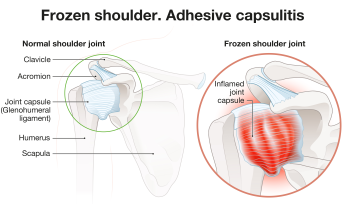 While it feels like a muscle problem, frozen shoulder actually happens deeper inside, in the shoulder capsule.
Think of your shoulder joint like a ball and socket wrapped in a protective sleeve of connective tissue.
In a healthy shoulder, this sleeve is loose and stretchy, allowing you to reach overhead or behind your back. With frozen shoulder, that sleeve becomes inflamed, thickens, and tightens. Eventually, bands of scar tissue develop, literally “gluing” the joint in place.
One of the most frustrating things about frozen shoulder is that it often appears out of nowhere. However, there are three common ways it typically starts:
- Injury or Surgery – If you’ve had a rotator cuff tear, a broken arm, or surgery that required you to keep your arm still for a long time, the lack of movement can cause the capsule to tighten up.
- Underlying health Conditions – Like Diabetes, Thyroid issues, Cardiovascular Disease. These are conditions like that affect inflammation and tissue repair
- The “Idiopathic” Factor – Sometimes, it just happens. It is most common in adults between the ages of 40 and 60, and it tends to affect women more often than men.
- The “Guard” Reflex – Often, a minor strain causes you to stop moving your arm to avoid pain. This lack of movement then triggers the capsule to stiffen, creating a cycle where the “protection” actually becomes the problem.
What Are the Symptoms of Frozen Shoulder (Adhesive Capsulitis)?
Common symptoms include:
- Persistent shoulder pain
- Reduced range of motion
- Difficulty reaching overhead or behind the back
- Night‑time pain disrupting sleep
Why Does Frozen Shoulder Last So Long?
Frozen shoulder is known for being slow to recover, sometimes lasting many months or even several years. This happens because of changes inside the shoulder joint capsule.
Several biological processes contribute to the slow recovery:
- Capsule thickening and tightening
The shoulder joint is surrounded by a flexible capsule that normally allows a wide range of movement. In frozen shoulder this capsule becomes inflamed, thickened, and less elastic, physically restricting movement. - Excess collagen and scar-like tissue
Inflammation stimulates specialised cells called fibroblasts to produce excess collagen. This forms scar-like tissue inside the capsule, reducing the smooth glide of the joint. - Pain and muscle guarding
When the shoulder is painful, surrounding muscles tighten to protect the joint. This creates a cycle of pain, reduced movement, and increasing stiffness.
Because collagen breakdown and tissue remodelling take time, recovery from frozen shoulder is usually gradual.
Acupuncture, cupping, and gua sha may help reduce pain and muscle tension, which can make it easier to restore comfortable movement during recovery.
How Acupuncture May Help Frozen Shoulder
Acupuncture approaches frozen shoulder by addressing both the physical “blockage” in the joint and the nervous system’s response to chronic pain. Frozen shoulder can be extremely painful, particularly during the early “freezing” stage when inflammation and muscle guarding restrict movement.
Acupuncture treatment focuses on reducing pain, relaxing tight muscles around the shoulder, and supporting circulation in the affected area.
Acupuncture can help with:
- Pain Reduction and Inflammation Control
One of the most immediate benefits patients notice is pain relief. Acupuncture’s ability to modulate inflammatory pathways offers respite from both acute flare-ups and chronic discomfort. This relief is not just symptomatic but bioactive, assisting the body’s own immune regulation to resolve underlying inflammation.
- Improvement in Mobility and Range of Motion
Acupuncture addresses more than pain; it unlocks the physical restrictions that freeze movement. Studies and clinical experience demonstrate improved flexibility and shoulder joint mobility through regular acupuncture treatments. The increased circulation and muscle relaxation create lasting effects that restore the natural range of motion rather than just temporarily easing stiffness.
- Supporting Overall Shoulder Health
Beyond frozen shoulder symptoms, acupuncture supports the muscles, tendons, and connective tissues surrounding the joint. By nurturing these structures and preventing compensatory muscle strain, acupuncture aids long-term shoulder health, reducing recurrence risk and fostering resilience.
Frozen shoulder can be frustrating because progress is often slow, but with the right support many people gradually regain comfort and movement over time.
Research & Evidence Base
Several high‑quality studies — including systematic reviews and meta‑analyses — show that acupuncture can help reduce pain, improve mobility, and speed up recovery.
A 2024 systematic review published in Pain Management Nursing analysed multiple clinical trials and found that:
- Acupuncture combined with physiotherapy was more effective than physiotherapy alone
- Patients experienced greater pain reduction
- Shoulder range of motion improved more quickly
- Overall clinical effectiveness was significantly higher
This is one of the most up‑to‑date and rigorous evaluations of acupuncture for frozen shoulder.
What This Means for You
Across multiple studies, acupuncture consistently shows benefits for frozen shoulder, especially when combined with home exercises. The research supports what many clients report:
- Less pain
- Better sleep
- Improved range of motion
- Faster recovery
For anyone seeking help for a frozen shoulder, acupuncture is a well‑supported treatment option.
When People Usually Seek Help for Frozen Shoulder
Many people seek treatment when frozen shoulder begins to interfere with sleep or everyday activities such as dressing, reaching overhead, or lifting the arm.
Some people look for support during the painful freezing stage, while others seek help later when stiffness begins to limit movement. Even if symptoms have been present for several months, supportive treatment may still help reduce discomfort and improve mobility while the shoulder gradually recovers.
Acupuncture offers a natural approach that may help reduce pain, relax surrounding muscles, and support the body’s healing process throughout the different stages of frozen shoulder.
It may be a good option if:
- You prefer a natural, drug-free approach
- Physiotherapy exercises are painful or haven’t provided enough relief
- Pain is interfering with daily life or sleep
- You want to support healing while improving mobility
Frozen Shoulder Acupuncture in Pinner
A personalised frozen shoulder treatment acupuncture plan may include:
- Weekly sessions during the painful phase
- Distal acupuncture points
- Cupping or gua sha massage
Frozen shoulder lasts so long because the joint capsule becomes inflamed, thickened, and tight — and this tissue takes months to soften and remodel. My treatment approach uses powerful distal acupuncture points that influence the shoulder through the body’s interconnected meridian pathways. By working away from the painful area, I can calm pain signals, reduce protective muscle tension, and encourage better movement without aggravating the shoulder.
I often combine this with cupping or gua sha to release tightness in the surrounding tissues and improve circulation. Together, this combination helps break the pain‑stiffness cycle and supports the shoulder through each stage of recovery. Clients regularly tell me they feel lighter, looser, and more comfortable after treatment.
Acupuncture treatment is usually provided as a short course so the body has time to respond to treatment. Sessions are typically scheduled weekly at first, allowing changes in pain, mobility, and function to be monitored over time.
Many people notice improvement within the first few sessions. Treatment progress is usually reviewed after an initial course to decide whether further sessions would be helpful.
Frequently Asked Questions
Most people begin to notice improvement within 4–6 acupuncture sessions, although this can vary depending on the stage and severity of frozen shoulder. Long-standing or more advanced cases may require a longer treatment plan.
Frozen shoulder develops gradually and recovery often takes time. Acupuncture treatment focuses on reducing pain and supporting movement while the shoulder progresses through its natural stages of healing.
Some people feel a reduction in pain or improved comfort after the first acupuncture session, while others notice gradual improvement over several treatments.
Pain relief and improved sleep are often among the first changes patients report.
Yes. Acupuncture can be used alongside physiotherapy or home exercise programmes.
By helping reduce pain and relax tight muscles around the shoulder, acupuncture may make physiotherapy exercises easier and more comfortable to perform.
Acupuncture may be helpful at different stages of frozen shoulder.
During the freezing stage, treatment often focuses on reducing pain and inflammation. During the frozen stage, acupuncture may help relax surrounding muscles and support mobility. In the thawing stage, treatment can help support the gradual return of movement and function.
Acupuncture is generally considered safe when performed by a qualified practitioner. Side effects are usually mild and temporary.
Cupping or gua sha may leave temporary marks on the skin that typically fade within a few days. Many people report feeling relaxed after treatment.
Frozen shoulder typically progresses through three stages and may last between 12 and 24 months, although recovery time varies between individuals. Supportive treatments such as acupuncture may help reduce pain and improve comfort while the shoulder gradually regains movement.
Gentle movement is usually helpful for frozen shoulder, but forcing the shoulder through painful movements can sometimes worsen irritation.
Many people find that slow, controlled exercises within a comfortable range of movement help maintain mobility while the shoulder heals. Acupuncture may help reduce pain and muscle tension, which can make gentle movement and rehabilitation exercises easier to perform.
If movement causes severe pain, it is advisable to seek professional guidance before continuing exercises.