
Plantar Fasciitis Acupuncture in Pinner – Heel Pain Treatment
Plantar fasciitis is one of the most common causes of heel pain, affecting anyone who spends long hours on their feet. If you’ve ever felt that sharp, stabbing pain with your first steps in the morning, you know how disruptive it can be.
Many people seek plantar fasciitis acupuncture in Pinner when symptoms persist despite rest, stretching, orthotics, or anti-inflammatory medication.
At VitalQi Acupuncture, in Pinner, many patients seek Acupuncture treatment for Plantar Fasciitis when pain persists or returns repeatedly despite using orthotics, stretching, or anti-inflammatory medication.
People often describe:
- Sharp heel pain with the first steps in the morning
- Discomfort after long periods of standing
- Pain during or after exercise
- Tenderness along the arch or heel
If these symptoms sound familiar, plantar fasciitis may be affecting the connective tissue supporting the arch of your foot.
Understanding Plantar Fasciitis
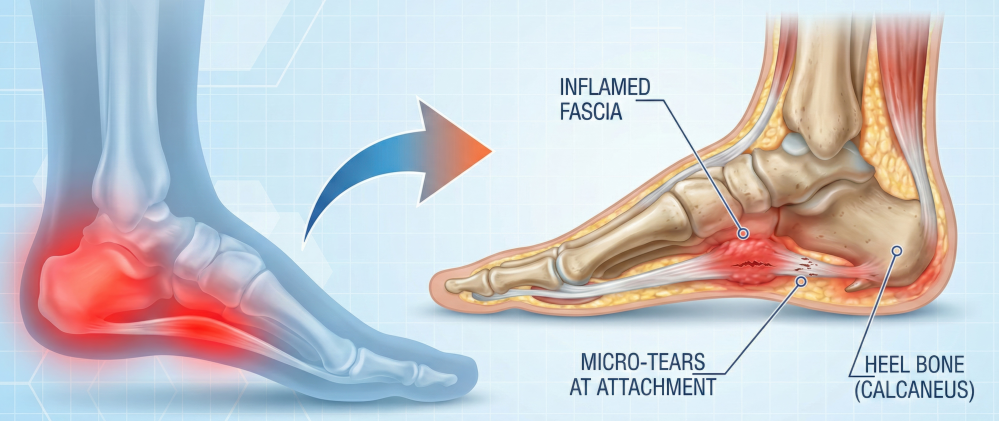
Plantar fasciitis arises in a fibrous band of tissue called the plantar fascia. This supportive connective tissue runs along the bottom of the foot and connects the heel bone to the toes. Too much pressure and stress on the plantar fascia can cause microtears and inflammation, leading to pain and stiffness. While the pain can be felt anywhere along the bottom of the foot, it is most commonly concentrated at the base of the heel .
If left untreated, the condition can lead to chronic pain. Over time, many people begin to change the way they walk to avoid discomfort, which can place extra strain on the hip joints and other areas of the body. This compensation pattern often contributes to secondary issues such as knee pain or low back pain.
Many people seek acupuncture for plantar fasciitis in Pinner when heel pain begins interfering with walking, exercise, or standing for long periods.
What Causes Plantar Fasciitis Heel Pain
Plantar fasciitis rarely develops from a single cause. It usually results from a combination of repetitive stress and mechanical strain on the foot.
- Activity – Long-distance running, dance, or aerobic activity that puts stress on the heel.
- Occupational – People whose jobs involve spending hours standing on hard surfaces.
- Biomechanics of the foot – Flat feet, high arches, or an unusual walking pattern (gait).
- Physical Factors – Sudden weight gain or wearing shoes with inadequate arch support.
Symptoms of Plantar Fasciitis
Common symptoms include:
- Sharp Heel Pain: A stabbing pain at the bottom of the heel, especially with the first steps in the morning.
- Pain After Rest: Discomfort that worsens after periods of inactivity or prolonged sitting.
- Pain After Exercise: Intensified heel pain following physical activity, not usually during the activity itself.
- Foot Stiffness: Tightness in the foot arch, making it difficult to flex the foot upward.
- Tenderness: Sensitivity when pressing on the heel or along the arch of the foot.
- Occasional swelling: around the heel area.
- Limping: Altered gait to avoid putting pressure on the affected heel.
How Acupuncture May Help Plantar Fasciitis
Acupuncture treatment aims to improve blood circulation and mobility. In Traditional Chinese Medicine (TCM) , improving blood circulation helps in clearing inflammation and repairing tissue microtears.
Acupuncture can help with:
- Pain Reduction and Inflammation Control – One of the most immediate benefits patients notice is pain relief. Research suggests acupuncture may help modulate inflammatory pathways and support pain reduction in both acute and chronic cases. This relief is not just symptomatic but bioactive, assisting the body’s own immune regulation to resolve underlying inflammation.
- Releasing Tight Muscles – Often, heel pain is exacerbated by tight calf muscles. Acupuncture and Gua Sha help relax these muscles and take the tension off the plantar fascia thus easing pain and stiffness.
- Improving Circulation – Better blood flow supports healing and reduces stiffness, which may help improve mobility. Acupuncture helps with tissue healing by stimulating the release of fibroblasts; these are the cells found in connective tissue that secrete collagen proteins to maintain tissue health and healing.
- Supporting the Nervous System – Acupuncture is often used to promote relaxation and help regulate pain signals, which may reduce the intensity of plantar fasciitis pain.
When to Seek Plantar Fasciitis Treatment
Many cases improve gradually with rest, stretching, and supportive footwear. However, persistent heel pain lasting several weeks may benefit from professional assessment.
Early treatment may help reduce pain, prevent compensatory walking patterns, and support recovery of the plantar fascia.
Acupuncture may be an excellent option for individuals who:
- Have not found relief through conventional plantar fasciitis treatments like medication or physical therapy.
- Prefer a natural, drug-free method of heel pain management.
- Want to complement other plantar fasciitis treatments to support recovery.
- Are seeking alternative and complementary medicine due to a preference for holistic approaches.
A 2024 clinical study reported that acupuncture is an effective second-line treatment option for plantar fasciitis when conventional treatments have not provided sufficient relief.
Plantar Fasciitis Acupuncture in Pinner
Plantar Fasciitis is a common condition seen in clinic. Treatment is adapted to your individual presentation, taking into account how long symptoms have been present, activity levels, and any contributing biomechanical factors.
The aim is to reduce pain, improve comfort when walking, and support the foot as the plantar fascia gradually recovers.
A personalised Plantar Fasciitis acupuncture treatment plan may include:
- Weekly sessions for the first four sessions followed by fortnightly to complete a course of 6 to 8 sessions. Acupuncture is cumulative, which means that the results of each treatment build on the results of the ones before it.
- Distal acupuncture points
- Cupping or gua sha massage
My treatment approach uses distal acupuncture points that influence the plantar fascia in the feet through the body’s interconnected meridian pathways. By working away from the painful area, I can calm pain signals, reduce protective muscle tension, and encourage better movement without aggravating the inflamed plantar fascia.
I often combine this with cupping or gua sha to release tightness in the surrounding tissues and improve circulation especially the calf muscles. The plantar fascia is closely connected to the calf muscles through the body’s fascia network. If the calf muscles are tight, they pull on the heel and pain can radiate up the Achilles tendon. By releasing the tension in your lower leg with acupuncture and Gua Sha, we take the “tug-of-war” pressure off your foot.
We regularly treat patients from Pinner, Harrow, Northwood and Ruislip seeking Acupuncture for plantar fasciitis and heel pain.
Frequently Asked Questions
Acupuncture may help reduce heel pain, improve circulation, and support recovery of the plantar fascia. It is often used alongside stretching and footwear changes.
Pain is often worse with the first steps of the day because the plantar fascia tightens overnight. When you begin walking, the tissue stretches suddenly, triggering pain.
Recovery time varies depending on how long symptoms have been present. Many people notice gradual improvement over several weeks of consistent treatment.
Gentle walking is usually fine, but prolonged standing or high-impact activity may aggravate symptoms. Treatment can help guide a gradual return to normal activity.