
Trigeminal Neuralgia Treatment in Pinner – Acupuncture for Facial Nerve Pain
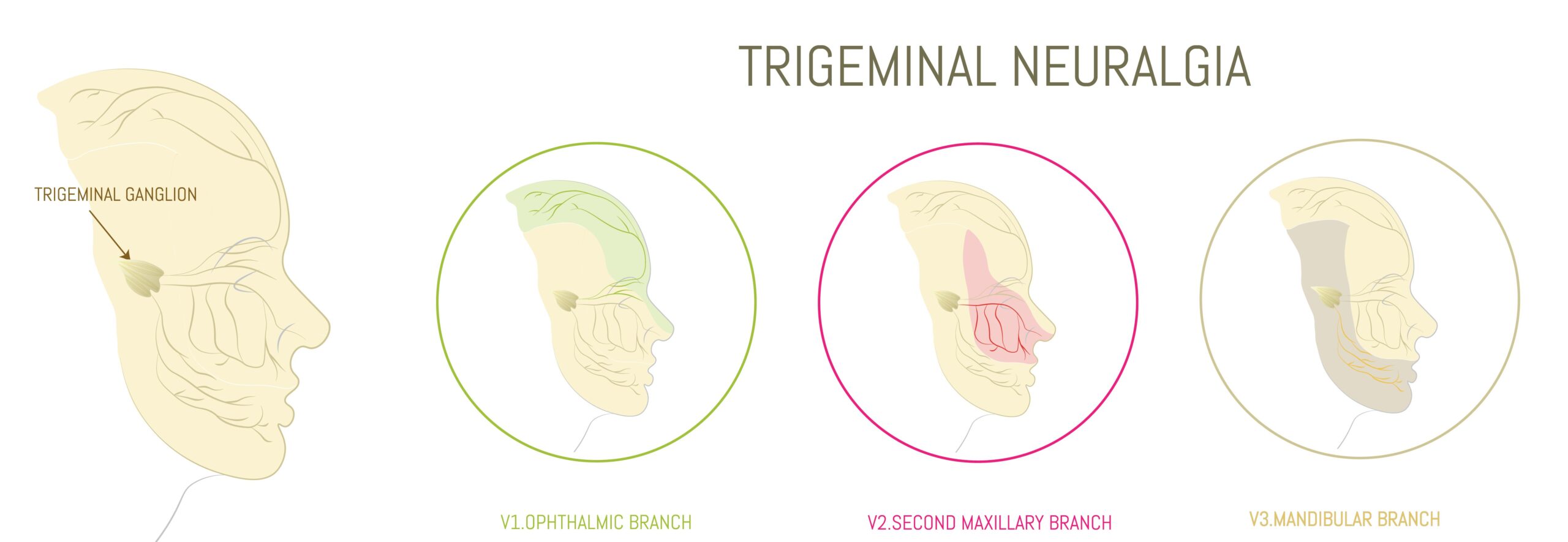
Trigeminal neuralgia is a condition that causes sudden, sharp facial pain along the pathways of the trigeminal nerve. The pain is often described as electric-shock like, stabbing, or burning, and can affect the cheek, jaw, teeth, or around the eye.
For many people the symptoms appear unexpectedly and can be extremely distressing. Everyday activities such as speaking, chewing, brushing teeth, or even a light touch on the face may trigger episodes of pain.
At VitalQi Acupuncture in Pinner, some patients seek acupuncture for trigeminal neuralgia or facial nerve pain when symptoms persist despite medication or when the pain begins interfering with daily life.
Acupuncture may help reduce nerve irritation, calm surrounding muscle tension, and support the nervous system’s natural regulatory processes
Understanding Trigeminal Neuralgia
The trigeminal nerve is the main sensory nerve of the face. It carries signals from the face, teeth, and sinuses to the brain and plays an important role in facial sensation.
The nerve has three main branches:
- Ophthalmic branch (V1) – supplies the forehead and around the eye
- Maxillary branch (V2) – supplies the cheek and upper jaw
- Mandibular branch (V3) – supplies the lower jaw and part of the tongue. When this nerve becomes irritated or overly sensitive, it can produce sudden episodes of facial pain along one or more of these pathways.
Trigeminal neuralgia pain often occurs on one side of the face and may appear in short bursts that last seconds or minutes, although some people experience longer periods of discomfort.
Why Trigeminal Nerve Pain Can Develop
Trigeminal neuralgia may develop for several reasons. In some cases, the nerve becomes irritated where it exits the brainstem or travels through narrow openings in the skull.
Other contributing factors may include:
- Nerve sensitivity – the trigeminal nerve can become more reactive when irritated or compressed.
- Muscle tension – tight muscles around the jaw and temples can increase pressure around the nerve pathways.
- Stress and fatigue – nervous system fatigue can increase nerve sensitivity and trigger episodes of facial pain.
- Postural strain – prolonged screen use and forward-head posture may contribute to tension in the jaw and temple muscles.
Because the trigeminal nerve interacts closely with the muscles of the face, jaw, and temples, tension in these areas can sometimes aggravate nerve symptoms.
Common Symptoms of Trigeminal Neuralgia
People experiencing trigeminal nerve irritation often describe symptoms such as:
- Sudden stabbing or electric-shock facial pain
- Tingling or burning sensations in the cheek, jaw, or around the eye
- Pain triggered by chewing, talking, or touching the face
- Facial twitching or muscle spasms
- Sensitivity along the jaw, cheek, or temple
Some people first notice tingling or twitching near the eye or cheek, particularly during periods of stress or fatigue, before the pain becomes more noticeable.
Because these symptoms can mimic dental or sinus problems, many people seek help after other causes have already been investigated.
How Acupuncture May Help Trigeminal Neuralgia
Acupuncture treatment aims to calm irritation around the nerve pathways while relaxing surrounding muscles and improving circulation.
Research suggests acupuncture may help regulate pain pathways and support the nervous system’s natural ability to reduce nerve sensitivity.
Acupuncture may help by:
- Reducing Nerve Irritation
Acupuncture can help calm nerve signalling and reduce the intensity of neuropathic pain sensations. - Relaxing Surrounding Muscles
Tension in the jaw, temples, and facial muscles may aggravate the trigeminal nerve. Acupuncture helps release this tension. - Improving Circulation
Better circulation around the nerve pathways supports tissue health and recovery. - Supporting Nervous System Regulation
Acupuncture is often used to promote relaxation and help regulate the nervous system, which may reduce the frequency of pain episodes.
Many people also notice improvements in associated symptoms such as headaches, jaw tension, and facial muscle tightness.
When People Usually Seek Acupuncture
Some people seek acupuncture after receiving a diagnosis of trigeminal neuralgia from their GP or neurologist.
Others come with symptoms of facial nerve pain and may already have been prescribed medications such as pregabalin or amitriptyline to help manage nerve irritation.
You may consider acupuncture if you experience:
- Sharp facial pain along the cheek or jaw
- Tingling or nerve-like pain around the eye or temple
- Facial twitching or muscle spasms
- Persistent facial pain despite medication
Acupuncture can be used alongside conventional medical care as part of a supportive treatment approach.
Trigeminal Neuralgia Acupuncture in Pinner
At VitalQi Acupuncture in Pinner, treatment for trigeminal neuralgia and facial nerve pain focuses on calming nerve irritation, relaxing muscular tension around the jaw and temples, and supporting the body’s natural recovery processes.
Acupuncture treatment is usually provided as a course so the body has time to respond to treatment. Weekly treatments allow these changes to build gradually. As symptoms begin to settle and the body stabilises, sessions are usually spaced further apart.
Many patients also notice improvements in related symptoms such as headaches, jaw tightness, and facial tension.