
Acupuncture for Carpal Tunnel in Pinner
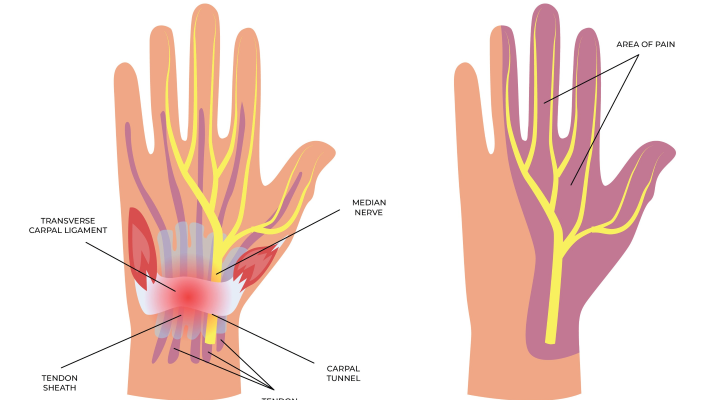
Carpal tunnel syndrome can affect your comfort, productivity and quality of life.
At VitalQi Acupuncture in Pinner, many patients seek treatment when symptoms persist despite medication or begin to interfere with everyday activities.
With over 15 years of clinical experience, I provide personalised acupuncture care for patients from Pinner, Northwood, Stanmore, Ruislip, Watford and surrounding areas.
Understanding Carpal Tunnel Syndrome
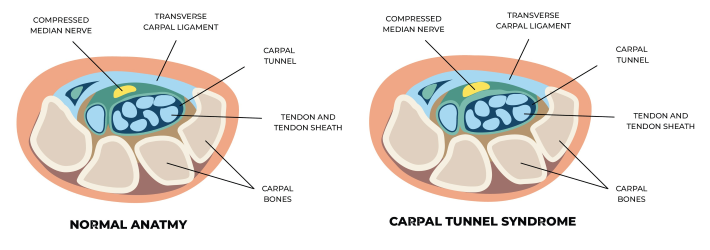
The carpal tunnel is a narrow passageway in the wrist through which tendons and the median nerve pass. The median nerve enables the fingers to bend and grip and gives sensation to the majority of the fingers.
Any condition that increases the pressure in the carpal tunnel or compresses the median nerve can cause carpal tunnel syndrome (CTS).
What Causes Carpal Tunnel Syndrome
CTS is a type of neuropathy or nerve damage called entrapment. This condition affects the median nerve by trapping or compressing it in the carpal tunnel. Carpal tunnel syndrome can be caused by local inflammation of tendons and the surrounding area and can also develop during the later stages of pregnancy.
Symptoms of Carpal Tunnel
Symptoms of carpal tunnel syndrome typically start slowly and worsen over time, and they may be more pronounced at night due to wrist position during sleep. Compression of the median nerve may cause symptoms to range in intensity from mild discomfort to severe pain.
Symptoms often affect both hands, but affect the dominant hand more. However, some people may only have symptoms on one hand.
People often describe:
- numbness or tingling in the thumb and fingers
- burning or “electric” sensations
- pain in the wrist, hand or forearm
- symptoms worse at night
- weakness or difficulty gripping objects
How symptoms progress
Symptoms of carpal tunnel syndrome often develop gradually. Early symptoms may appear at night or after repetitive use of the hand.
If left untreated, symptoms can become more persistent and may lead to weakness or reduced hand function.
How Acupuncture May Help Carpal Tunnel Syndrome
Acupuncture is commonly used to support carpal tunnel syndrome by addressing both nerve irritation and muscular tension.
- Reducing Pain Signals
Acupuncture may help calm overactive pain pathways in the wrist and hand. By stimulating specific points along the arm, hand, and sometimes the neck, acupuncture can encourage the nervous system to release natural pain‑modulating chemicals.
- Easing Inflammation
Carpal tunnel symptoms often worsen when the tissues around the median nerve become inflamed. Acupuncture may help reduce local swelling by improving circulation and encouraging the body’s natural anti‑inflammatory response.
- Improving Blood Flow
Better blood flow means more oxygen and nutrients reach the wrist and hand. This can support tissue healing and reduce the feeling of tightness or pressure in the carpal tunnel area.
- Relaxing Tight Muscles and Fascia
Many people with carpal tunnel also have tension in the forearm, shoulder, or neck that contributes to nerve irritation. Acupuncture can help release muscle tightness and improve mobility, reducing strain on the median nerve.
- Supporting Nerve Function
Gentle stimulation from acupuncture needles may help improve nerve conduction and reduce sensations like tingling, numbness, or “electric shock” feelings in the fingers.
Why Early Treatment Matters
Carpal tunnel syndrome often begins with subtle symptoms—an occasional tingle, a bit of numbness, or a wrist that feels “off” after a long day. These early signs are your body’s way of asking for support. Addressing the issue sooner can make a meaningful difference in your recovery.
Early treatment may help:
- reduce pressure on the median nerve before symptoms worsen
- protect hand strength and function
- improve response to treatment
- reduce the likelihood of more invasive interventions
Evidence and Clinical Perspective
Research shows that people with CTS who had acupuncture treatment for 4 weeks noticed improvements in symptoms such as pain, numbness and tingling, and muscular weakness.
These improvements continued 3 months after the treatment. These results may indicate that acupuncture therapy can provide lasting relief from symptoms. Researchers concluded that acupuncture is a safe and suitable method for treating CTS.
Research from 2017 found that acupuncture helped reduce symptoms of CTS and showed that the body’s response to acupuncture might change signalling pathways in the brain.
MRI scans from before and after a person with CTS received acupuncture therapy showed that the process might improve the nerve function in the area. This occurs by adjusting how the brain responds to pain or changing the pathways in the brain to reduce pain.
When to seek treatment
Carpal tunnel symptoms often start gradually, but early attention can prevent them from becoming more persistent. It’s a good idea to seek treatment if you notice any of the following:
- Persistent Tingling or Numbness
If you regularly feel tingling, “pins and needles,” or numbness in your thumb, index, or middle fingers, especially if it lasts more than a few days, it’s worth getting support.
- Pain That Interferes With Daily Activities
Pain in the wrist, hand, or forearm that makes it difficult to type, grip objects, cook, or sleep is a sign that the median nerve may be under strain.
- Night‑Time Symptoms
Waking up with numb or painful hands is one of the most common early signs of carpal tunnel syndrome. If this becomes frequent, treatment can help prevent progression.
- Weakness or Dropping Objects
If your hand feels weak or you find yourself dropping items, it may indicate that the nerve compression is affecting muscle function.
- Symptoms That Aren’t Improving With Rest
If taking breaks, stretching, or adjusting your activities isn’t helping, it’s a good time to explore therapeutic options like acupuncture.
- Repetitive‑Strain Work or Activities
People who type, sew, use tools, or perform repetitive wrist movements may benefit from early treatment, even before symptoms become severe.
- A Formal Diagnosis or Recommendation
If your GP or specialist has diagnosed carpal tunnel syndrome or suggested conservative care, acupuncture can be a supportive part of your treatment plan.
Acupuncture Treatment for Carpal Tunnel Syndrome in Pinner
At VitalQi Acupuncture in Pinner, CTS is frequently seen in clinic. Treatment focuses on reducing inflammation, releasing muscular tension and supporting the body’s natural recovery processes.
A short course of treatment is usually recommended, with progress reviewed as symptoms improve. Acupuncture treatment is cumulative, meaning the effects build gradually over several sessions. Many people notice meaningful improvement during this period.
Frequently Asked Questions
Treatment plans vary, but many people notice improvement within 4–6 sessions. Chronic or long‑standing symptoms may require a longer course.
Yes. Acupuncture can help reduce inflammation and muscle tension caused by repetitive strain.
Acupuncture can complement medical care, but it doesn’t replace it. If your symptoms are severe, worsening, or affecting your daily function, it’s important to consult your GP or specialist.
Some people experience long‑lasting relief, while others need occasional maintenance sessions—especially if their daily activities continue to strain the wrist. Combining acupuncture with lifestyle adjustments often leads to the best results.
Yes. Most people continue their normal activities. Your practitioner may suggest small ergonomic changes to help prevent symptoms from returning.